
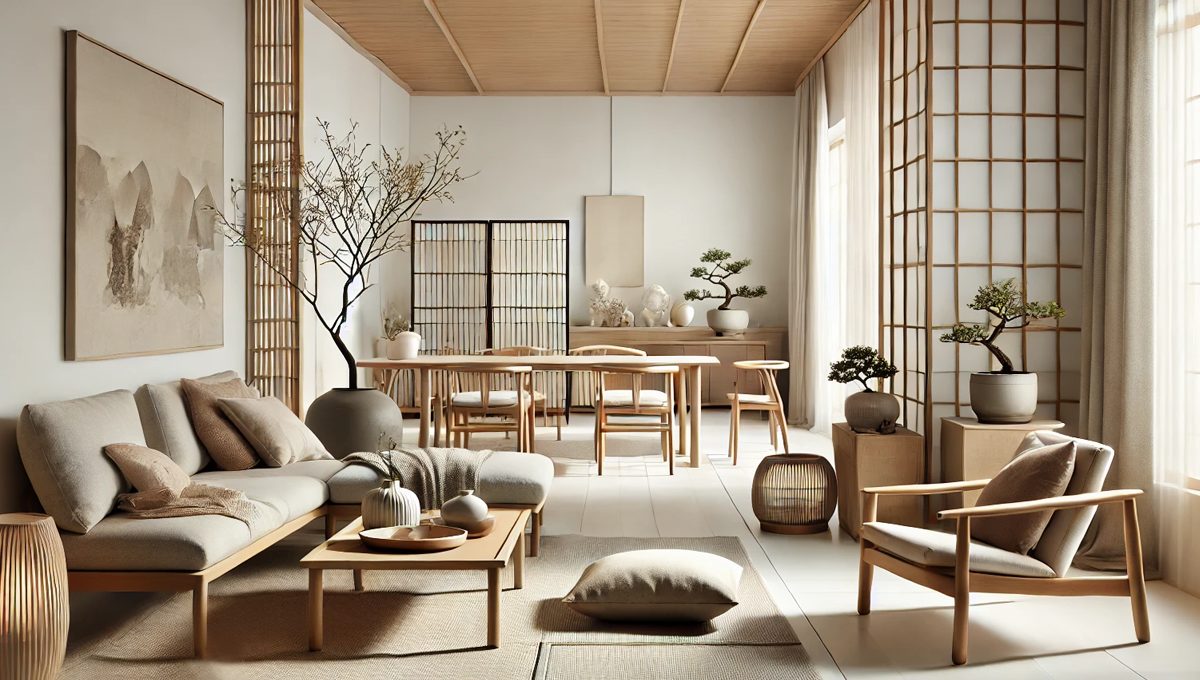
Japandi: A Harmonious Blend of Japan and Scandinavia
— Minimalism, Warmth, and Mindful Living
In recent years, a new design philosophy has emerged that captivates interior designers, lifestyle enthusiasts, and homeowners alike: Japandi.
As the name suggests, Japandi is a hybrid aesthetic that combines Japanese minimalism and Scandinavian functionality, resulting in interiors that are serene, stylish, and deeply intentional.
What is Japandi?
Japandi blends the wabi-sabi philosophy of Japan—which embraces imperfection and natural beauty—with the hygge-driven comfort and practicality of Scandinavian design.
Key characteristics include:
Neutral tones (warm grays, soft beiges, natural wood)
Clean lines and open space
Natural materials such as linen, rattan, bamboo, and clay
Functional furniture with aesthetic simplicity
Mindful decor—fewer things, more meaning
This aesthetic reflects a slow-living lifestyle that values calm, intention, and connection to nature.
Japandi in Art and Wall Decor
Japandi-inspired spaces often incorporate minimalist art prints—sometimes abstract, often nature-themed, and always with a sense of balance and tranquility.
Japanese textile patterns (like asanoha or seigaiha) work beautifully here, especially when reinterpreted with muted palettes.
A Japandi room might feature:
A single, framed print of a kimono motif on textured paper
Abstract brushstrokes in indigo and stone tones
Neutral-toned botanical illustrations or ink landscapes
In this way, Japandi allows Japanese traditional design to find new life in modern interiors.
Why Japandi Resonates
It promotes mental clarity through visual simplicity
It supports sustainable living by avoiding excess
It encourages appreciation for both heritage and innovation
Japandi isn’t just a trend—it’s a lifestyle shift that aligns with a global desire for beauty with purpose.