
The Timeless Elegance of Japanese Tradition
KIMONO
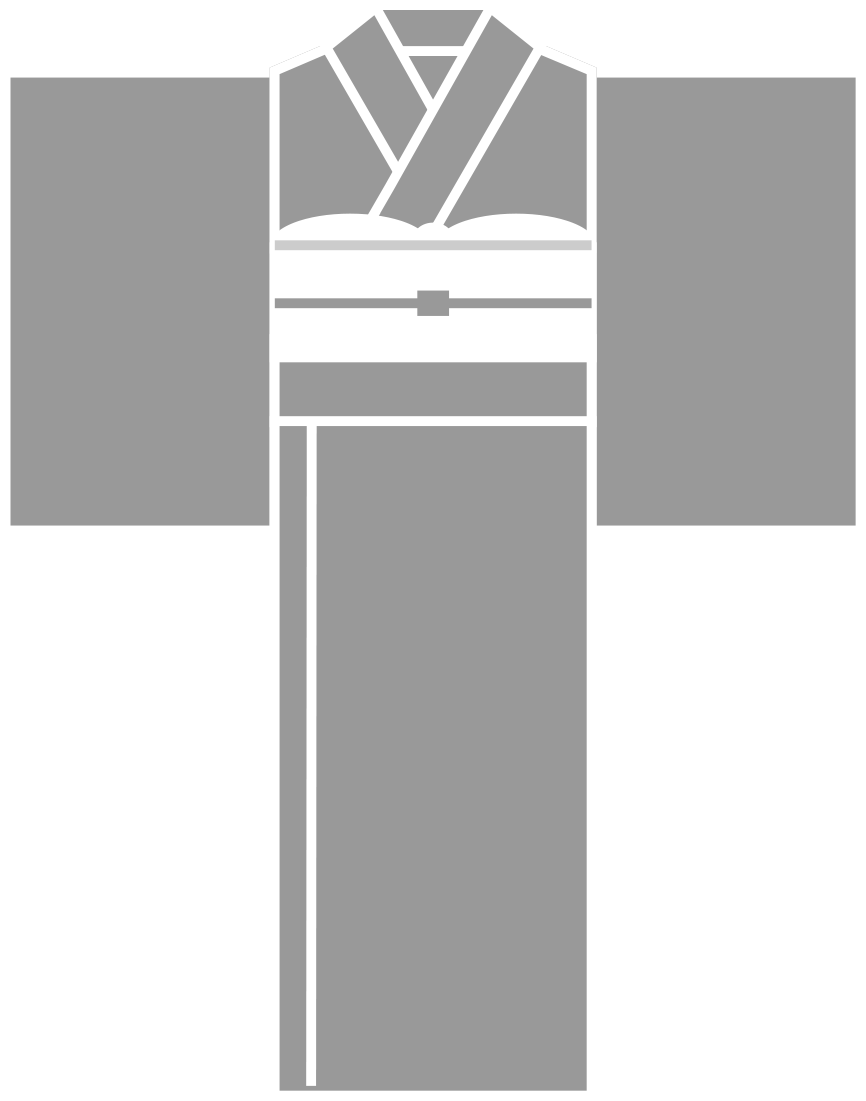
The kimono is a T-shaped long robe that wraps around the body. Its fabric and patterns vary depending on the season and occasion, offering a wide range of styles from formal to casual. It is traditionally worn with the left side wrapped over the right.
kimono accessories
The obiage is a piece of fabric used during obi tying, visible above the obi as a decorative element. The obijime is a thin cord tied around the center of the obi to secure and stabilize it. Both are important accessories that add a polished finish to the kimono look.
OBI
The obi is a wide belt used to secure and decorate the kimono. There are many ways to tie the obi, chosen according to the occasion and the type of kimono. The obi is an essential accessory that greatly influences the overall look.
Tools for Dressing
To wear a kimono properly, several special tools are needed. Basic items include the undergarment (juban), koshihimo (waist ties), datejime (sash), obiita (stiffener board), and obimakura (obi pillow). These tools help shape the kimono and maintain its neat appearance over time.
Discover the Many Faces of Kimono
Kimono comes in a variety of styles, from wedding garments to formal and casual wear,
each suited to different occasions. Here’s an introduction to the main types of kimono.
Wedding
Kimono
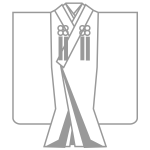
There are various types of traditional wedding kimono, including uchikake, shiromuku, and hikifurisode.
Furisode
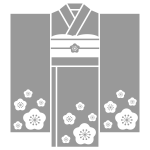
The furisode is a formal kimono with long sleeves and vibrant patterns, worn at celebrations like Coming of Age ceremonies and weddings.
Graduation
Hakama
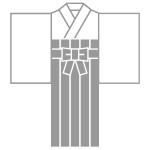
The graduation hakama is a traditional outfit worn by women at ceremonies, paired with a kimono for a formal look.
Formal
Kimono
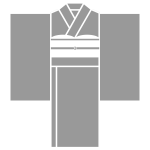
It is formal traditional attire worn at official events and ceremonies. Types include black tomesode, colored tomesode, and houmongi.
Casual
Kimono
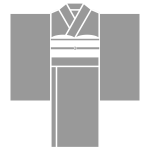
Kimono for daily or casual wear. Common types include komon and tsumugi, featuring free designs and colors to express individuality.

Men’s formal
Kimono
Montsuki haori hakama is one of the most formal men’s kimono styles, worn with a haori and hakama at weddings, coming-of-age ceremonies, and formal events.
Men’s casual
Kimono
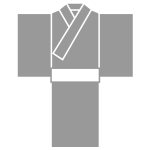
It is a men’s kimono for daily and casual occasions. The “kinagashi” style, worn without a hakama and secured only with an obi, gives a more relaxed look.

Yukata
Yukata is a casual summer kimono made of lightweight, breathable fabrics such as cotton or linen. There are men’s and women’s styles.
 using WordPress and