
Traditional Japanese patterns, inspired by nature and good fortune, are used in kimono and crafts. They symbolize harmony and prosperity, remaining beloved across generations.
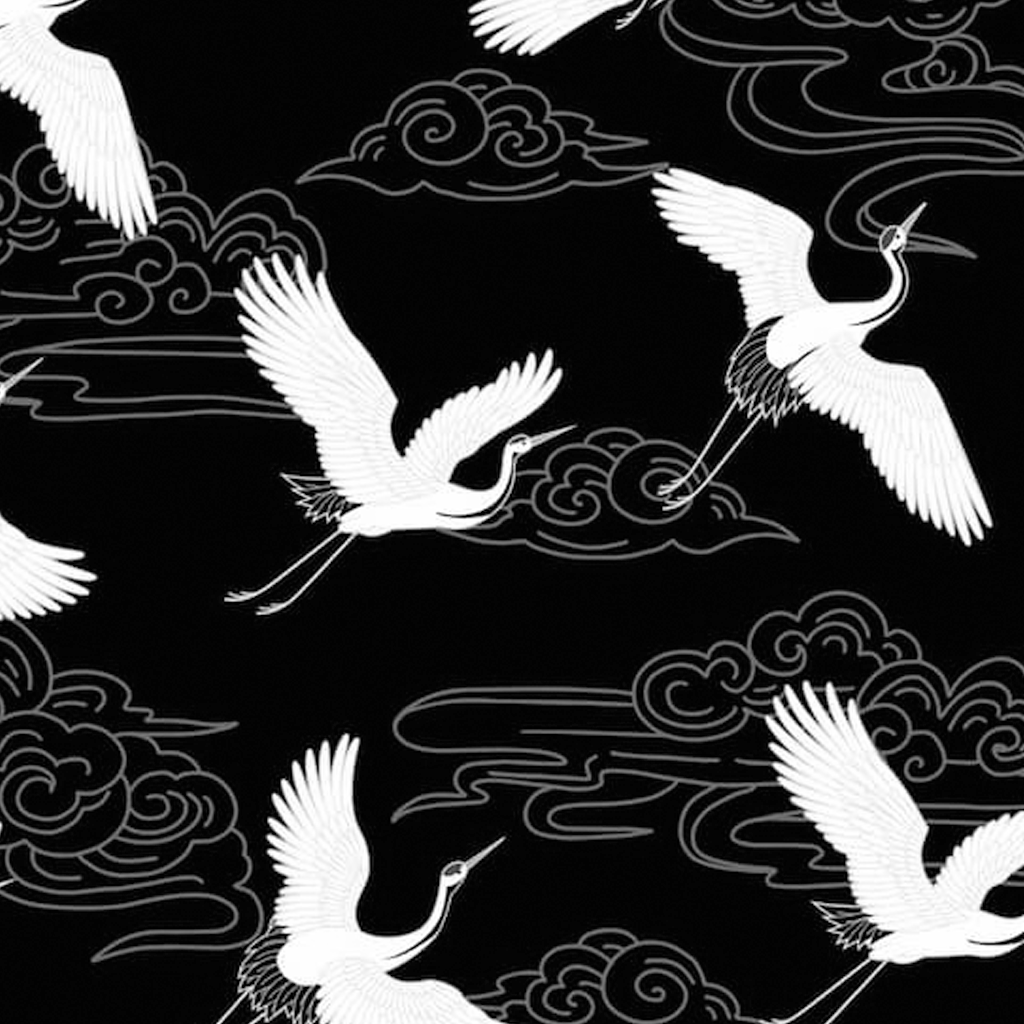
Crane
Kimonos featuring crane motifs represent longevity, harmony in marriage, happiness, and elegance. As auspicious birds, cranes are often worn on festive and formal occasions.
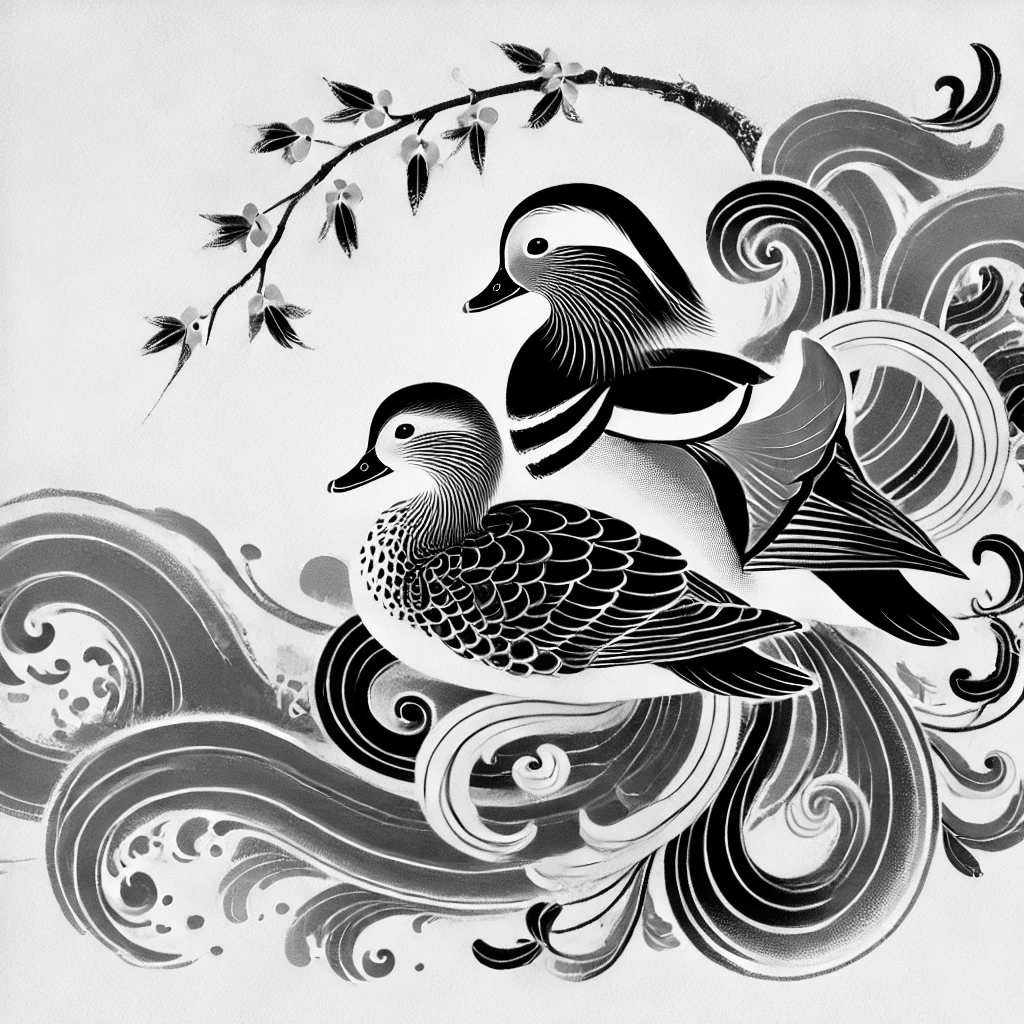
Mandarin duck
Kimono with mandarin duck motifs symbolize enduring love, fidelity, and harmonious partnership. As birds known to mate for life, mandarin ducks are cherished symbols of happy marriage and deep emotional connection, making them ideal for weddings and joyful occasions.

Peacock
Peacocks, with their elegant presence and dazzling plumage, have long symbolized good fortune in kimono design. Their open tail feathers represent prosperity, beauty, and nobility, making them ideal for formal occasions.
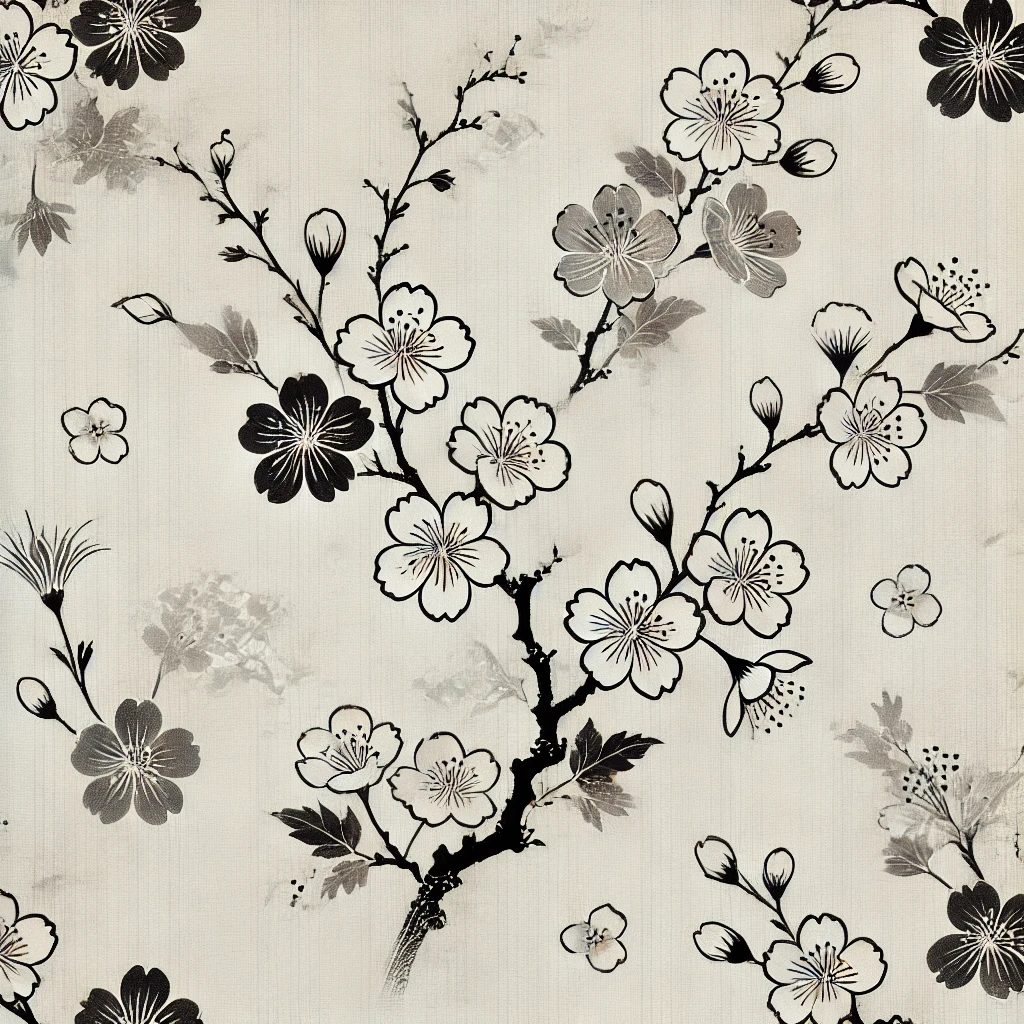
Sakura
Kimono with cherry blossom motifs symbolize the fleeting beauty of life, renewal, and the arrival of spring. As blossoms that bloom briefly yet brilliantly, cherry blossoms are deeply admired in Japanese culture as a reminder of impermanence and appreciation for the present moment. They are often worn during celebrations and seasonal festivals, representing hope, new beginnings, and delicate elegance.
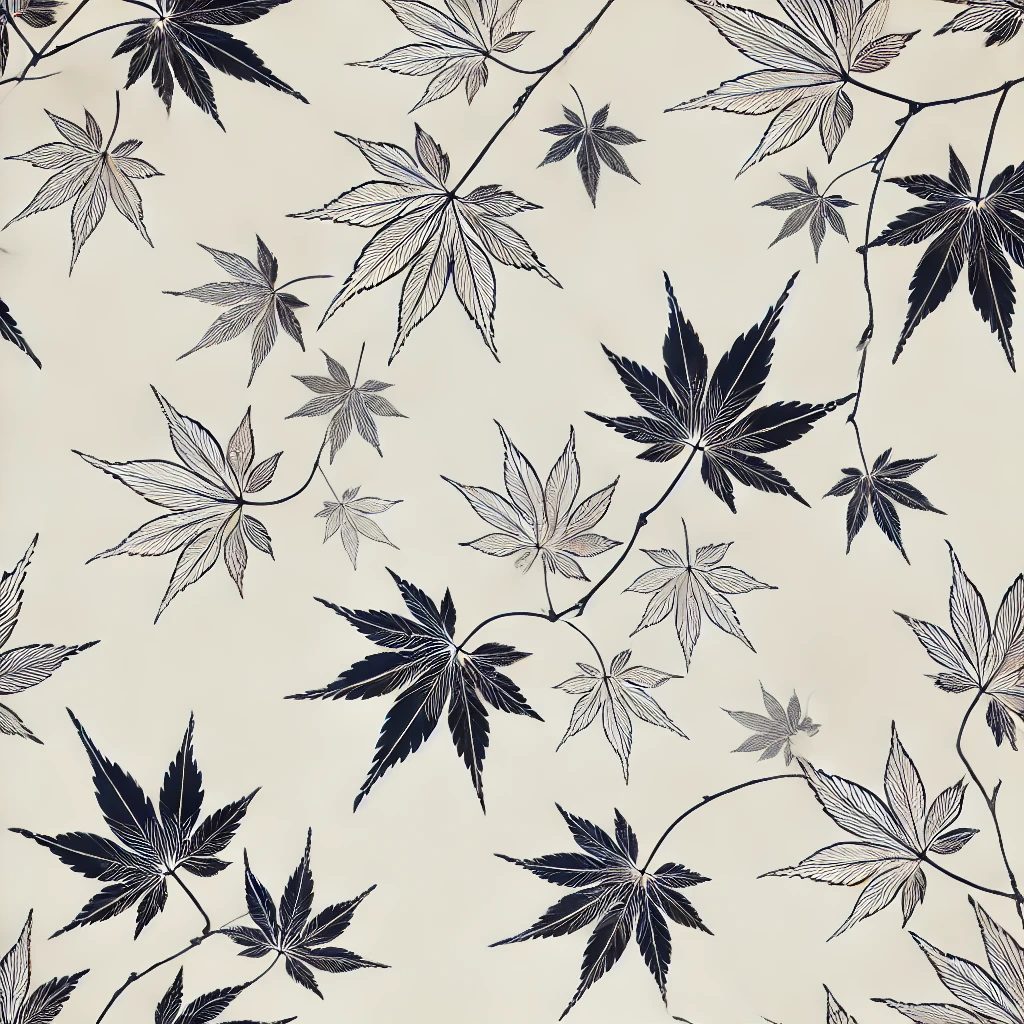
Momiji
Kimono with maple leaf motifs symbolize autumn elegance, longevity, and adaptability. Cherished as an auspicious design, the maple leaf reflects nature’s seasonal cycle—changing from spring green to autumn red—bringing joy and symbolizing resilience. It remains a popular motif in seasonal clothing and festive occasions.
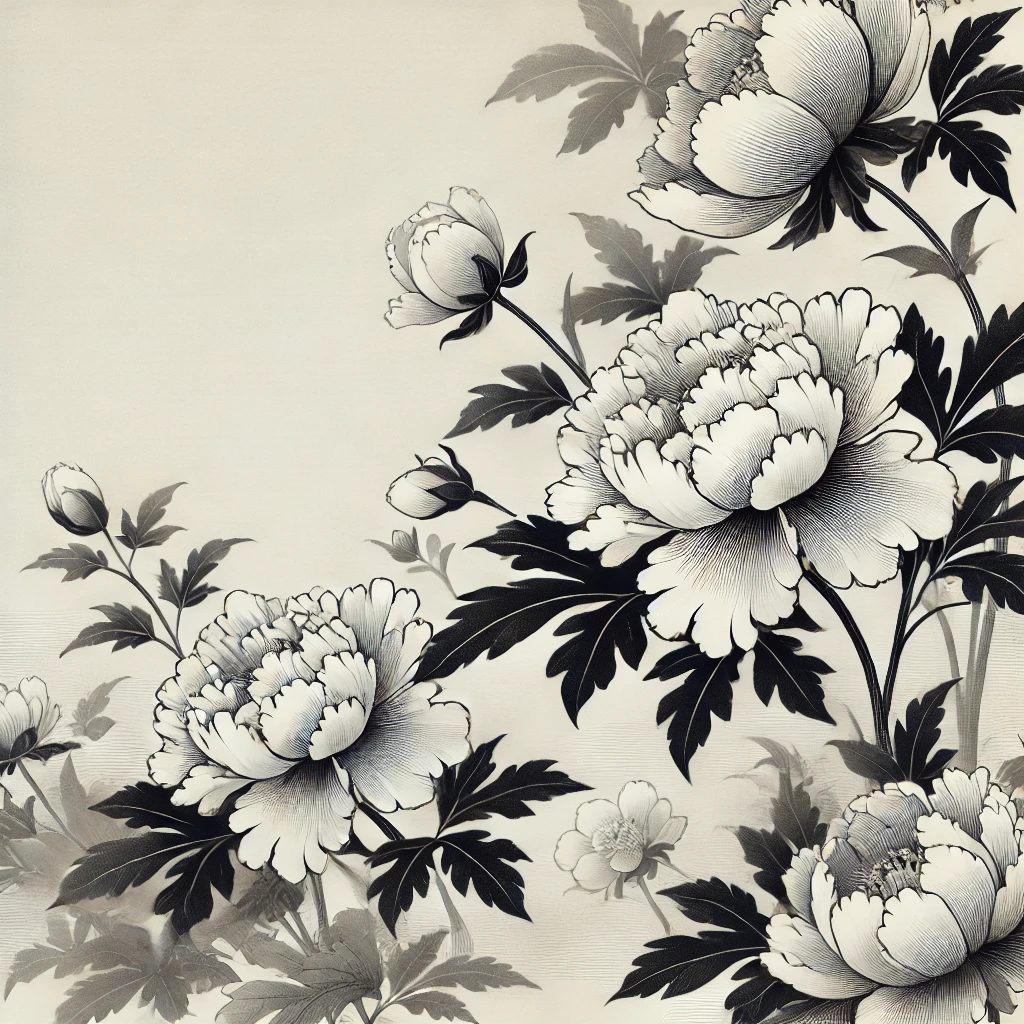
Botan
Kimono with peony motifs symbolize wealth, honor, and feminine beauty. Known as the “king of flowers” in East Asia, the peony’s large, lush blossoms represent prosperity and elegance. Often worn for festive and formal occasions, the peony pattern conveys confidence, charm, and the hope for a flourishing future.
 using WordPress and